
The East Coast Oracle Users Conference (ECO) is one of the premier events for Oracle professionals, bringing together technical and functional experts, business leaders, and industry innovators to share knowledge, explore emerging technologies, and connect with the Oracle community. This year’s event is taking place in Raleigh, NC, at the NCSU McKimmon Center from November 3-4, 2026.
We are excited that both Biju Thomas, SVP of Digital Transformation, and Konstantin Zhernevskiy, Senior DWH Architect, are featured speakers at this year’s conference. Mark your calendar for their informative sessions, where they will share expertise, best practices, and real-world insights.
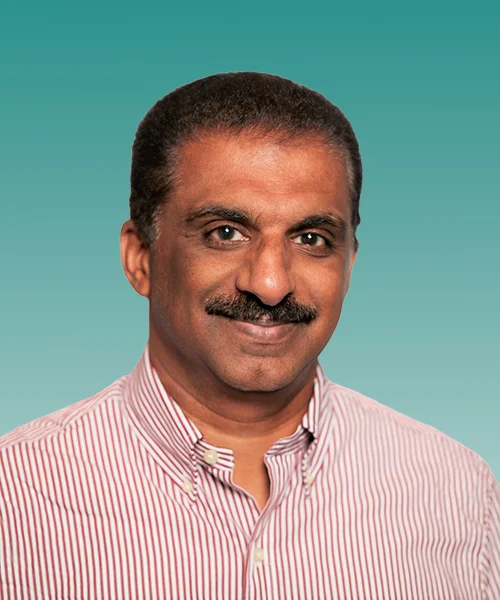
Biju Thomas
SVP of Digital Transformation, Data Intensity
Oracle ACE Director
Microsoft MVP
AI Agents Are Knocking on Your Oracle Database: Should You Answer?
If your first reaction to the idea of AI agents interacting with your Oracle database is skepticism, you’re not alone. This session is designed for database administrators, developers, and application administrators who want a practical understanding of the technology before adopting it.
Oracle now offers two distinct approaches for connecting AI agents to Oracle databases: the MCP Server built into SQLcl and the Oracle AI Agent Platform. Through live demonstrations, presenters will examine how each approach works, what resources AI agents can access, how security and auditing are implemented, and where the real risks and opportunities exist.
Attendees will leave with a practical framework for evaluating whether, when, and how AI agents should interact with their Oracle databases. Rather than relying on vendor claims, they will gain the knowledge needed to make informed decisions based on their organization’s requirements, security posture, and operational goals.
Date: Tuesday, November 3
Time: 1:30-2:30 PM ET
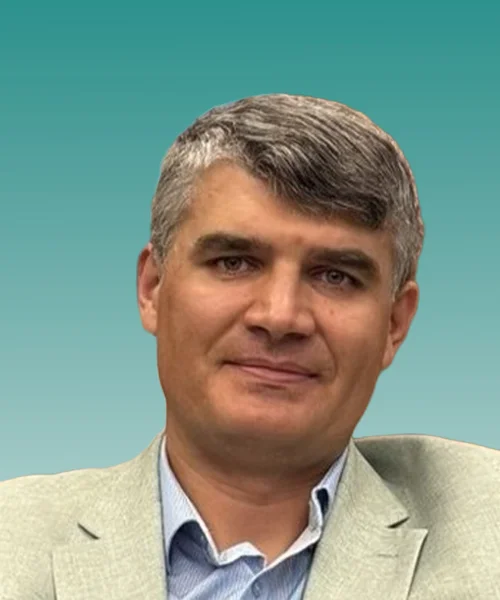
Building Data Pipelines with Oracle Data Transforms
Oracle Data Transforms is a built-in data integration tool for Oracle Autonomous Data Warehouse (ADW), including the Always Free tier. It enables users to build and manage data pipelines through a browser-based interface with minimal coding.
In this session, presenters will build an end-to-end data pipeline, demonstrating how to load data into ADW, apply transformations, implement incremental loads and organize data into reporting-ready structures.
Attendees will learn how to design, run, and monitor data flows, while gaining a practical understanding of where Oracle Data Transforms fits within a modern analytics architecture.
Date: Tuesday, November 3
Time: 1:30-2:30 PM ET
OTBI, FDI, and OAC: Understanding the Trade-Offs
Oracle offers multiple options for analyzing Fusion data, but choosing between Oracle Transactional Business Intelligence (OTBI), Fusion Data Intelligence (FDI), and Oracle Analytics Cloud (OAC) is not always straightforward. Although these tools share some capabilities, each serves a different purpose and supports different reporting and analytics needs.
This session compares OTBI, FDI, and OAC across key capabilities, including data visualization, analytics, BI Publisher, semantic modeling, extensibility, AI features, and administration. Using real-world examples, presenters will highlight the strengths, limitations, and trade-offs of each approach.
Attendees will leave with a practical framework for selecting the right Oracle analytics solution for reporting, dashboards, and advanced analytics use cases.
Date: Wednesday, November 4
Time: 2:10-3:10 PM ET